You finished a hard workout. You're sore. You're inflamed. You reach for a protein shake, maybe an ibuprofen, and hope for the best.
What if your next meal could do more for your recovery than your rest day?
What Inflammation Actually Is
Inflammation isn't inherently bad. Acute inflammation — the kind that follows a heavy squat session or a long run — is your body's repair signal. Blood flows to damaged muscle fibers, immune cells start the rebuild process, and you come back stronger.
The problem is chronic, low-grade inflammation. The background hum of systemic inflammation that never fully shuts off. It slows recovery, degrades performance, increases injury risk, and over time contributes to cardiovascular disease, type 2 diabetes, and cognitive decline.
And what's the #1 driver of chronic inflammation for most Americans? Diet.
The Standard American Diet Is Pro-Inflammatory
Processed meats, refined oils, refined sugar, excess saturated fat — these are all well-documented drivers of inflammatory markers. The Western diet is essentially a chronic inflammation machine. C-reactive protein, interleukin-6, TNF-alpha — these inflammatory biomarkers are consistently elevated in people eating a standard American diet.
This isn't a vegan argument. It's biochemistry.
What Plants Do Differently
Polyphenols are plant compounds that directly inhibit inflammatory pathways at the cellular level. Berries, dark leafy greens, turmeric, ginger, green tea — all loaded with them. The darker and more colorful the plant, the more polyphenols.
Omega-3 fatty acids — specifically EPA and DHA — compete with omega-6s for the same cellular pathways. When omega-3s win, inflammation goes down. The ideal dietary ratio is 4:1 (omega-6 to omega-3) or better. The standard American diet runs at 20:1. Walnuts, flaxseed, hemp seeds, and chia push that ratio toward balance.
Fiber feeds the gut microbiome, which regulates systemic inflammation through the gut-brain axis. Americans average 15g of fiber per day. The recommended minimum is 38g for men, 25g for women. A plant-based diet hits those numbers easily — often doubling them.
Phytonutrients like curcumin (turmeric), sulforaphane (broccoli), and quercetin (onions, apples) have documented anti-inflammatory effects studied in clinical trials, not just observational research.
What the Research Shows
A 2019 study in the Journal of the American Heart Association found that plant-based diets reduced inflammatory markers by 29% compared to control diets — independent of weight loss. A 2021 meta-analysis in Nutrients found plant-based athletes had significantly lower CRP (a key inflammation marker) than matched omnivores.
Recovery is faster. Delayed-onset muscle soreness is lower. Training volume can be higher because you're not fighting chronic inflammation between sessions.
What This Looks Like on a Plate
The anti-inflammatory vegan plate isn't complicated:
- A dark leafy green (spinach, kale, collards) as the base
- A whole grain (farro, brown rice, quinoa) for sustained energy and fiber
- A legume (chickpeas, lentils, black beans) for protein and gut-feeding fiber
- Healthy fat (avocado, tahini, olive oil) to absorb fat-soluble antioxidants
- Color — the more colors on the plate, the broader the phytonutrient profile
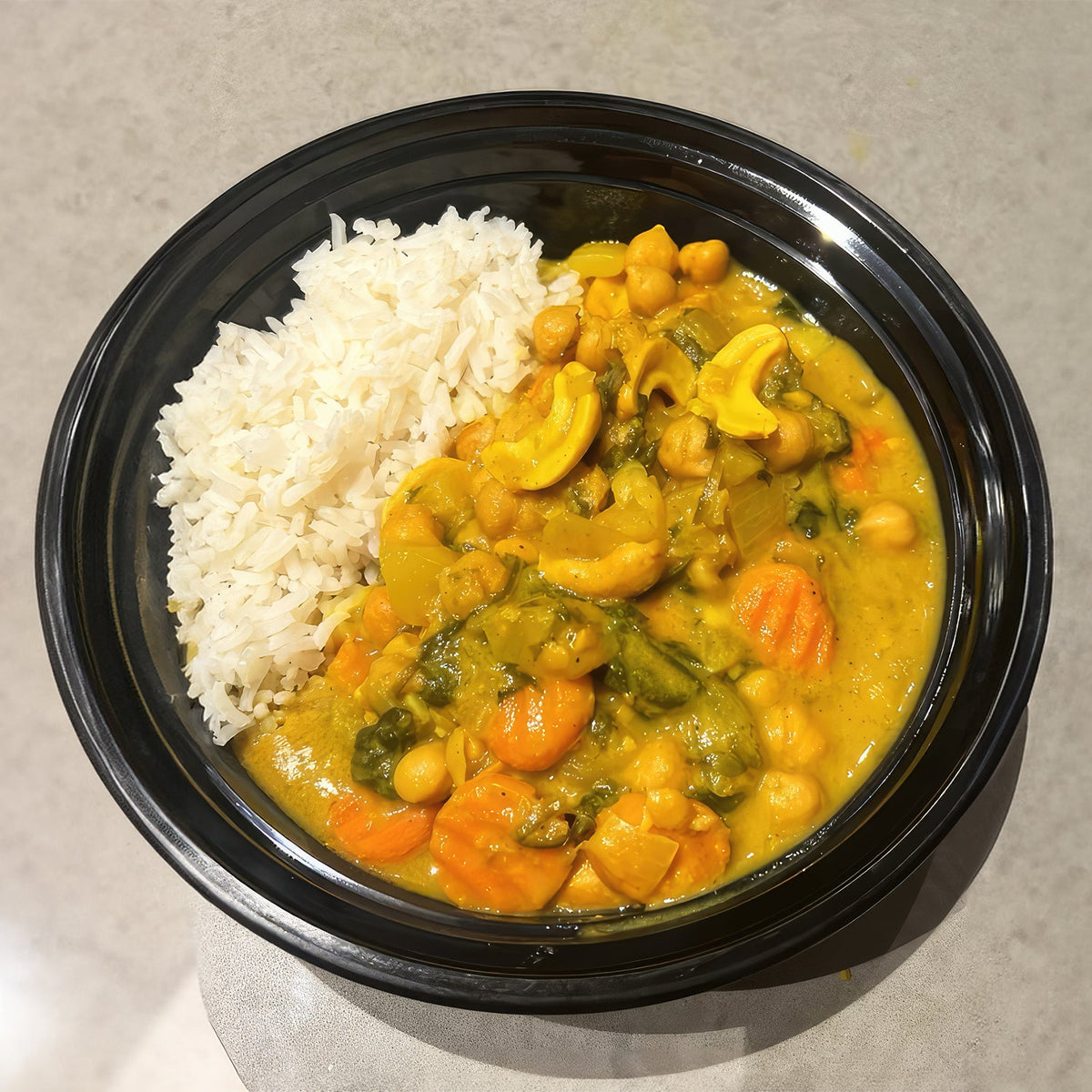
Every meal Jonas makes is built on these principles. Not because it's a formula, but because that's how you cook real food from real ingredients. The Sweet Potato Curry with Chickpeas has turmeric, ginger, and legumes. The Tofu Sheet Pan has cruciferous vegetables and tahini. The Farro Bowl has antioxidant-dense sweet potato, fiber-rich grains, and healthy fat.
This isn't health food for the sake of it. It tastes like food you'd choose to eat even if you didn't care about inflammation.
The Recovery Upgrade You Haven't Tried
If you're already training hard, sleeping 7–9 hours, and managing stress — your diet is the remaining lever. Most athletes focus on what they eat immediately after a workout (protein timing, glycogen replenishment). Fewer think about what they eat chronically, day after day, and how that baseline inflammatory state affects every workout they do.
Switch the baseline. The results compound.
---
Want Jonas to do the cooking?
New menu every Monday, delivered fresh across Southwest Florida. See this week's menu →
Or cook it yourself: grab the free Jonas' Kitchen Cookbook — 50 recipes across two volumes. Vol. 1: Comfort Classics • Vol. 2: Plant Power


