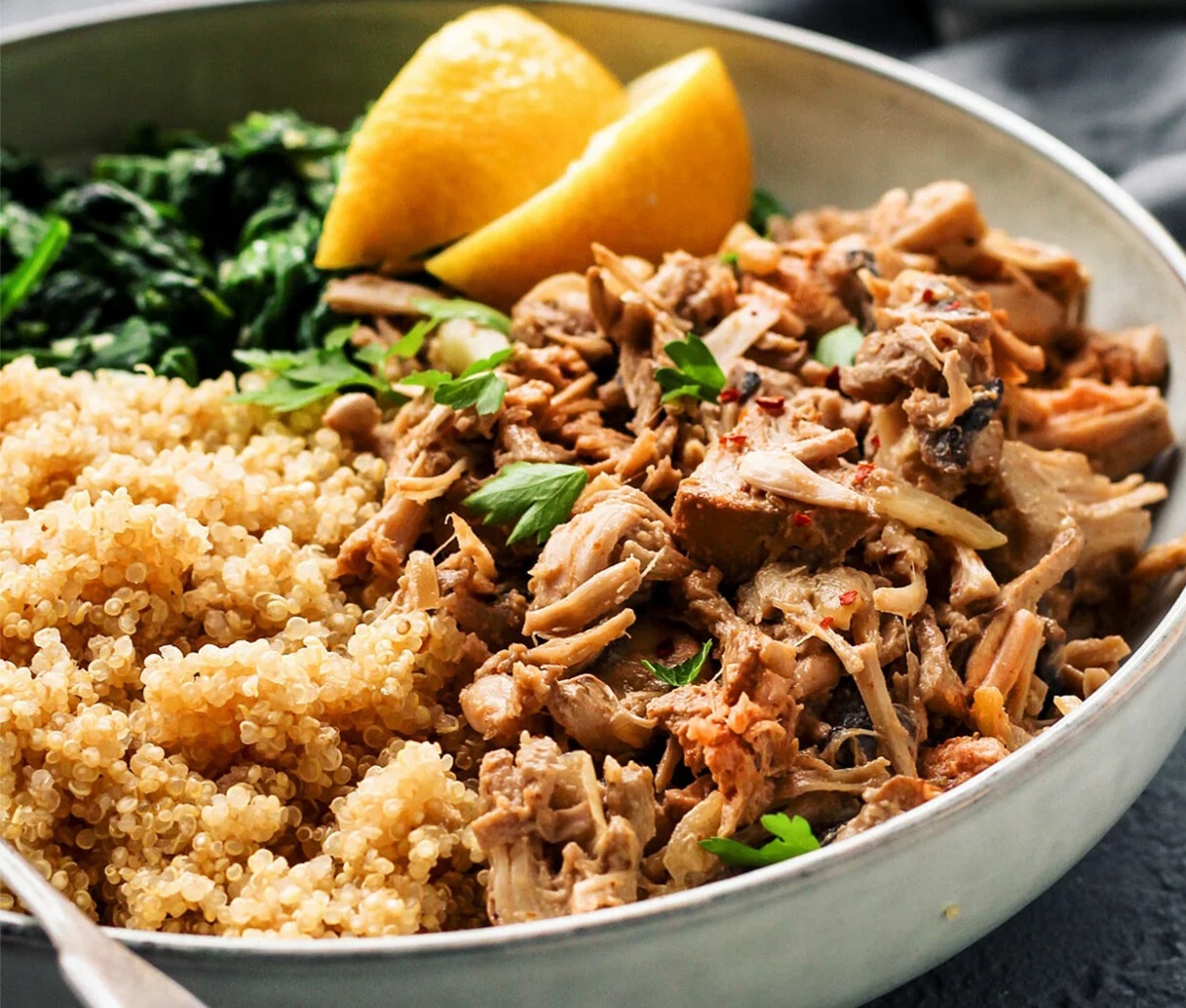
The question comes up constantly in gyms across Southwest Florida: Can you actually build muscle on a vegan diet?
The short answer is yes. The longer answer is that it requires some intentionality — but a lot less than most people think.
The Protein Myth
The #1 concern people have about vegan diets and muscle building is protein. And it's a fair one — muscle synthesis requires adequate protein, specifically the nine essential amino acids your body can't produce on its own.
Here's the thing most personal trainers (and a lot of nutrition blogs) get wrong: you don't need a single food to contain all nine amino acids. Your body pools amino acids throughout the day. Eat a variety of plant proteins — legumes, whole grains, tofu, tempeh, edamame — and your body does the combining automatically.
The real target: 0.7–1.0 grams of protein per pound of bodyweight per day. For a 170-pound person, that's 120–170g. Achievable on plants? Absolutely.
The Best Plant Proteins for Muscle
Tempeh — 31g per cup. Fermented, easier to digest than tofu, and loaded with probiotics. Our Sesame Tempeh Bowl delivers a full serving.
Edamame — 17g per cup, plus a complete amino acid profile. Rare for a plant food.
Lentils — 18g per cup cooked, and they're one of the cheapest proteins on the planet. Black lentils have slightly more than green.
Tofu — 10–20g per serving depending on firmness. Extra-firm tofu is close to chicken breast per ounce. It absorbs whatever you cook it in, which is exactly why Jonas' Tofu Sheet Pan with Garlic Herb Tahini hits differently than anything you'd make at home.
Hemp seeds — 10g per 3 tablespoons, plus a 3:1 omega-6 to omega-3 ratio that reduces inflammation and speeds recovery.
Chickpeas — 14g per cup, and they go in everything. Curries, stews, grain bowls, or roasted as a snack.
What Actually Limits Vegan Muscle Gains
It's not protein. For most people, it's one of these three:
1. Total calories. Plant foods are nutrient-dense but often lower in calories by volume. You can eat a massive salad and be 600 calories short of what your body needs to add mass. Track your total intake for a week — most vegan athletes find they're under-eating, not under-proteining.
2. Creatine. Your body produces it, but omnivores get a dietary top-up from meat. Vegan athletes consistently show lower muscle creatine stores. Supplementing with 3–5g of creatine monohydrate daily has more research behind it than almost any other supplement and is entirely vegan.
3. B12. Not directly related to muscle, but a B12 deficiency causes fatigue, poor recovery, and reduced training output. Supplement or eat fortified foods. Non-negotiable on a plant-based diet.
The Time Problem Nobody Talks About
Here's what derails most vegan fitness journeys: cooking. Hitting 150g of plant protein in a day requires serious meal prep. Tofu doesn't press itself. Tempeh takes time to marinate. Lentils take 20 minutes. Chickpeas from dried take an hour.
Most people can sustain it for two weeks. Then life happens — a long work week, travel, a kid's schedule — and they fall back on processed snacks, convenience food, or give up on the diet entirely.
That's the gap Jonas' Kitchen fills. Every meal is built around whole-food plant proteins, cooked from scratch, and delivered to your door. You eat at your protein targets without spending Sunday afternoon in the kitchen.
The Bottom Line
Vegan muscle building is not a compromise. Elite athletes — from MMA fighters to ultramarathon runners to Olympic weightlifters — compete at the top of their sports on fully plant-based diets. The science is clear: with adequate protein, calories, and a few targeted supplements, plant-based eating supports muscle gain as well as any other diet.
The only question is whether your food is working for your goals. Make sure it is.
---
Want Jonas to do the cooking?
New menu every Monday, delivered fresh across Southwest Florida. See this week's menu →
Or cook it yourself: grab the free Jonas' Kitchen Cookbook — 50 recipes across two volumes. Vol. 1: Comfort Classics • Vol. 2: Plant Power


