At 25, you can eat anything, train hard, sleep six hours, and recover in a day. At 40, 45, 50, the same training load takes longer to recover from. Inflammation hangs around longer. Muscle takes more stimulus to grow and more nutrition to maintain.
This isn't a reason to train less. It's a reason to eat smarter.
What Actually Changes After 40
Anabolic resistance. The muscle protein synthesis response to a given dose of protein decreases with age. At 25, 20g of protein after a workout is likely sufficient to max out muscle repair. At 50, research suggests you need closer to 35–40g per meal to get the same anabolic response. The fix isn't exotic — just eat more protein per meal, fewer meals with protein spread too thin.
Slower recovery. Inflammation from hard training takes longer to clear. The recovery window between sessions needs to be longer, or nutrition needs to work harder to accelerate it.
Hormonal shifts. Testosterone declines in men starting in the mid-30s; estrogen changes in women approaching menopause affect body composition and recovery. Both sexes see declines in growth hormone. These are real but not disqualifying — they change the dose of stimulus and nutrition needed, not whether adaptation is possible.
Gut changes. Gastric acid production declines with age, which can affect protein digestion and B12 absorption. Fermented foods (tempeh, kimchi, miso, kefir if you consume it) help maintain gut microbiome diversity, which becomes more important, not less.
Bone density. Peak bone density is established by the early 30s. After that, the goal is maintenance. Calcium, vitamin D, and weight-bearing exercise are the primary levers. Plant-based sources of calcium — fortified oat milk, white beans, kale, tempeh — can meet needs, but require more intentionality than dairy-based approaches.
Where Plant-Based Eating Actually Wins
The anti-inflammatory advantage is more valuable. Chronic inflammation, already elevated by the training load you've accumulated over decades, responds well to the polyphenol-rich, fiber-rich, omega-3-supportive nature of a well-designed plant-based diet. Masters athletes on plant-based diets consistently report faster recovery than their meat-eating counterparts at the same training intensity.
Cardiovascular efficiency. Plant-based diets lower LDL cholesterol, reduce blood pressure, and improve endothelial function — all of which matter more as you age and cardiovascular risk increases. Better cardiovascular efficiency means better oxygen delivery to working muscles.
Weight management. Muscle mass maintenance after 40 requires that you not be in a significant calorie deficit. But carrying excess body fat increases inflammatory load and joint stress. Plant-based diets — high fiber, high volume, lower caloric density — tend to support lean body composition more naturally than higher-fat omnivore diets.
What to Pay Closer Attention To
Protein per meal, not just per day. Distribute protein more evenly and push individual meal protein higher. Aim for 35–40g per meal rather than 20–25g.
Leucine. The amino acid most responsible for triggering muscle protein synthesis. Leucine thresholds increase with age. Soy-based proteins (tofu, tempeh, edamame) have the highest leucine content in the plant kingdom. Make them a daily staple, not an occasional ingredient.
Vitamin D. Most Americans — vegan or not — are deficient. After 40, your skin converts sunlight to vitamin D less efficiently. Supplement 2,000–4,000 IU daily, or get tested and supplement to maintain 50–80 ng/mL serum 25(OH)D.
Omega-3s. Consider an algae-based DHA/EPA supplement (this is where fish oil comes from anyway — the fish eat the algae). Aim for 1–2g combined DHA+EPA daily. Flax, hemp, and chia provide ALA (a precursor), but conversion to DHA/EPA is inefficient and declines with age.
B12. Essential. Supplement. Non-negotiable after 40 on a plant-based diet because absorption via intrinsic factor also declines with age.
Creatine monohydrate. The research on creatine for masters athletes is significant and growing. 3–5g daily supports power output, muscle retention, and — importantly — emerging evidence suggests cognitive benefits as well. Entirely vegan. One of the most well-studied supplements in existence.
The Compounding Returns Principle
The nutrition choices you make after 40 have compounding effects in both directions. Poor nutrition choices — chronic inflammation, inadequate protein, micronutrient gaps — compound into loss of function faster than they did at 25. Good nutrition choices — anti-inflammatory eating, adequate protein, targeted supplementation — compound into sustained performance and recovery that genuinely surprises people.
The athletes performing at 50 and 60 what most people can't do at 40 aren't exceptional genetics. They're exceptional habits, consistently applied over years.
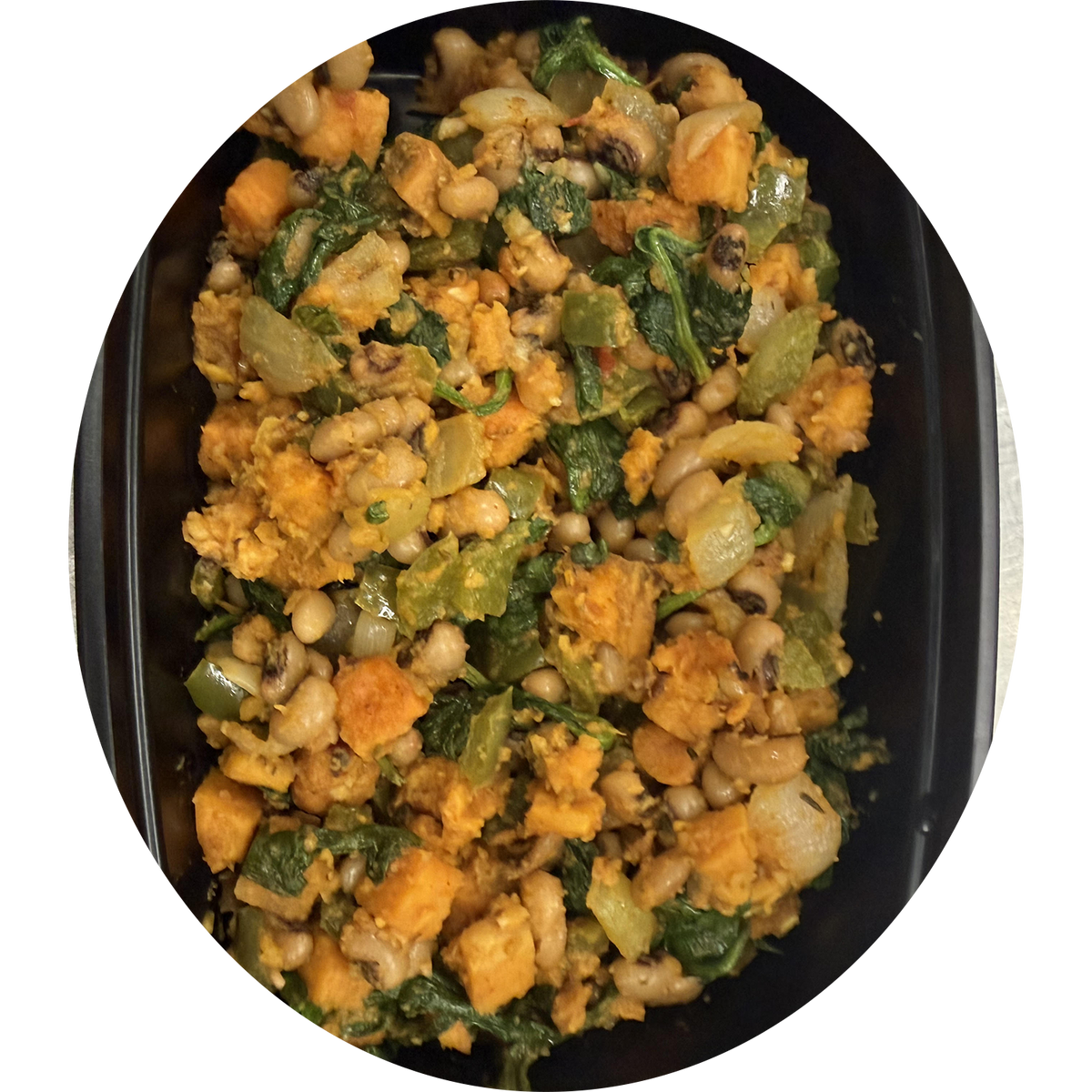
Jonas cooks every meal with the ingredients that support exactly this kind of long-term, compounding nutrition: whole food proteins, anti-inflammatory spices and vegetables, healthy fats, and the fiber that keeps every other system running.
It's not a supplement stack. It's just real food, cooked properly.
Start eating for performance →
---
Want Jonas to do the cooking?
New menu every Monday, delivered fresh across Southwest Florida. See this week's menu →
Or cook it yourself: grab the free Jonas' Kitchen Cookbook — 50 recipes across two volumes. Vol. 1: Comfort Classics • Vol. 2: Plant Power


